Overcoming Daily Procrastination: A Real Moment of Resetting
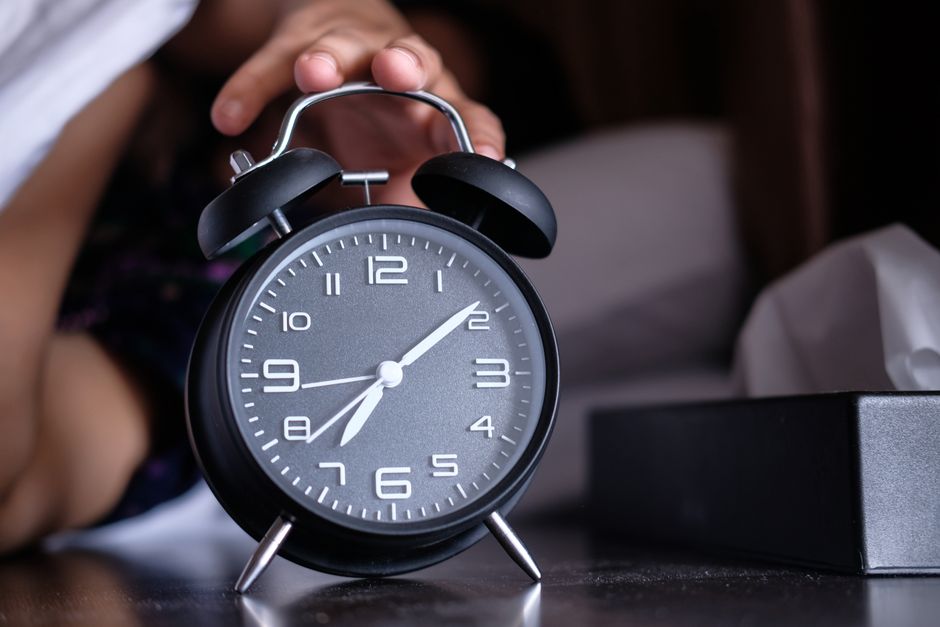
As the morning light filters through the curtains, the remote worker stands by the bedside table, staring at the half-packed bag. A notebook lies open, its pages filled with reminders and tasks that seem to multiply overnight. The clock ticks closer to the start of the workday, and yet the lunch container remains in the sink, forgotten amidst the chaos of a late finish the night before. Each item on the table—a set of keys, a water bottle, a charger—demands attention, but the urgency to leave feels muted. It’s a familiar scene, where the small habit of a quick weather check slips through the cracks, only to reveal itself as a larger problem later.
With only minutes to spare, the worker rushes through the motions, grabbing the bag and heading for the door. The decision to skip the weather check now looms large; the forecast had promised rain, but that detail was lost in the shuffle. As they step outside, the unexpected drizzle greets them, a reminder of how easily a single missed step in the morning routine can spiral into procrastination. The bag feels heavier with the weight of unpreparedness, and the day ahead already seems daunting, setting the tone for a struggle that could have been avoided with a simple check before leaving the room.
The First Step That Gets Skipped
On a typical weekday morning, the bedside table is cluttered with the remnants of a rushed evening: a half-empty water bottle, a set of keys, and a notebook filled with hastily jotted reminders. The worker stands there, glancing at the clock, which ticks ominously close to their departure time. The urgency of the moment begins to overshadow the small habit of checking the weather, a step that often feels trivial but can have significant consequences.
As they reach for the bag, they instinctively grab the notebook and keys, placing them on top of the bag without a second thought. The lunch container, still sitting in the sink, is a glaring reminder of the disorganization that often accompanies these late-start mornings. With the clock now flashing the final minutes, the decision to skip the weather check seems harmless, yet it’s a choice that will soon weigh heavily on their day.
In the rush, they forget to perform a quick check of the bag’s contents. The charger is there, but the umbrella is absent, a detail that only becomes apparent once they step outside. The drizzle catches them off guard, soaking through their shirt and instantly dampening their mood. This moment illustrates how easily one skipped step in the morning routine can lead to a cascade of procrastination, setting an unproductive tone for the rest of the day.
A Mistake That Leads to Delay
On a late-start weekday morning, the bedside table is cluttered with a notebook, keys, and a half-packed bag. As the clock ticks closer to the deadline, the remote worker hastily grabs the keys and notebook, tossing them on top of the bag. The lunch container, still soaking in the sink, is a reminder of the disorganization that often accompanies these mornings. In the rush, they skip the weather check, thinking it’s a minor detail that won’t matter much.
Once they step outside, the realization hits hard. A sudden drizzle soaks through their shirt, and they instantly regret not checking the forecast. The absence of an umbrella, a simple item that could have been grabbed in seconds, transforms the morning into a scramble for appropriate clothing. The decision to forgo that one small habit—the weather check—has now compounded into a chaotic start, leaving them feeling unprepared and frustrated.
This moment illustrates how easily a single missed step in the morning routine can spiral into a cascade of procrastination. With the bag now feeling heavier due to the added weight of regret, they rush back inside to grab a jacket, further delaying their departure. A quick check of the bag before leaving the room could have saved them from this scramble, but in the moment, it seemed like an unnecessary step. The friction of these late-start mornings often lies in overlooking the small habits that form the foundation of a smoother routine.
What to Check Before Leaving the Room
A slightly different version of this problem appears in Everyday Life In The, where the sequence changes but the hidden drag feels familiar.
As the clock ticks closer to the start of a busy workday, the rush to pack up can lead to overlooked essentials. Standing by the bedside table, the remote worker grabs their notebook and keys but suddenly remembers the lunch container still sitting in the sink. This moment of realization highlights the friction of late-start weekday mornings, where a few missed checks can snowball into a chaotic exit.
- Ensure the lunch container is packed and ready to go.
- Check that keys are in hand, ideally placed in a designated spot near the door.
- Confirm that weather-appropriate attire is chosen before heading out.
By implementing a quick verification sequence—first grabbing the lunch container, then checking for keys, and finally assessing the outfit based on the weather—this routine can shift from a frantic scramble to a smoother transition. A simple glance at the weather app on the phone can prevent inappropriate clothing choices and ensure readiness for the day ahead. Missing these checks often leads to unnecessary delays, making it clear that a few moments spent verifying essentials can save time and reduce stress later.
A Better Order for the Same Five Minutes
If this pattern keeps repeating, Daily Routines Real Life extends the idea without leaving the niche.
As the morning light filters through the curtains, the bedside table is cluttered with remnants of last night’s work—a notebook, a half-finished coffee cup, and a pair of headphones. The remote worker, still groggy from a late finish, knows that every minute counts. Packing the bag becomes a race against time, but without a clear sequence, it often turns into a chaotic scramble.
Start by placing the lunch container first into the bag, ensuring it’s not still sitting in the sink. Next, grab the keys from the designated spot near the door. This small habit of checking the bag's contents in a specific order can streamline the process significantly. Before heading out, a quick glance at the weather app on the phone becomes non-negotiable; it’s easy to forget this step when rushing. Missing this check can lead to a last-minute wardrobe change, which only adds to the stress.
Setting a timer for five minutes can help maintain focus during this daily reset. As the timer ticks down, the pressure to complete the routine builds, motivating a more efficient approach. After packing the bag and checking the weather, take a moment to confirm that the outfit chosen matches the forecast. If it’s raining, make sure to grab an umbrella, avoiding that last-minute dash back inside. Each step builds a sense of readiness, making it easier to transition from home to work.
By establishing this structured sequence, the morning routine transforms from a series of frantic tasks into a smooth, repeatable pattern. The small adjustments not only reduce procrastination but also create a reliable structure that can stick, making weekday mornings feel less daunting.
As you stand by the door, keys in hand, the realization hits: the weather check was skipped again. Without that simple glance at the forecast, your carefully chosen outfit for the day now feels mismatched for the rain outside. This missed check can trigger a cascade of last-minute changes, adding unnecessary stress to an already rushed morning. You might find yourself scrambling to grab a raincoat or switching shoes, which only compounds the feeling of disarray.
To prevent this from becoming a recurring issue, make it a habit to check the weather right after packing your bag. Place your phone on the bedside table as a visual cue to remind you of this small but crucial step. By integrating this simple action into your morning routine, you set the tone for a smoother transition from home to work, making overcoming procrastination feel more manageable in your daily life.